Metal sculpting is one of the oldest and most demanding forms of artistic expression. From ancient bronze figures to contemporary steel installations, working with metal demands both technical skill and creative vision. It is a discipline that rewards patience, and for those willing to learn, it offers an unmatched sense of permanence and craftsmanship.
Choosing the right metal
The material you choose will shape every aspect of your work. Aluminium is lightweight and resistant to corrosion, making it ideal for beginners and outdoor pieces alike. Steel offers exceptional strength and a raw, industrial quality that many sculptors find appealing. Bronze, though more costly, has a warmth and historical resonance that other metals struggle to match. Each material responds differently to heat and tools, so understanding the properties of your chosen metal before you begin is essential.
Core techniques to learn
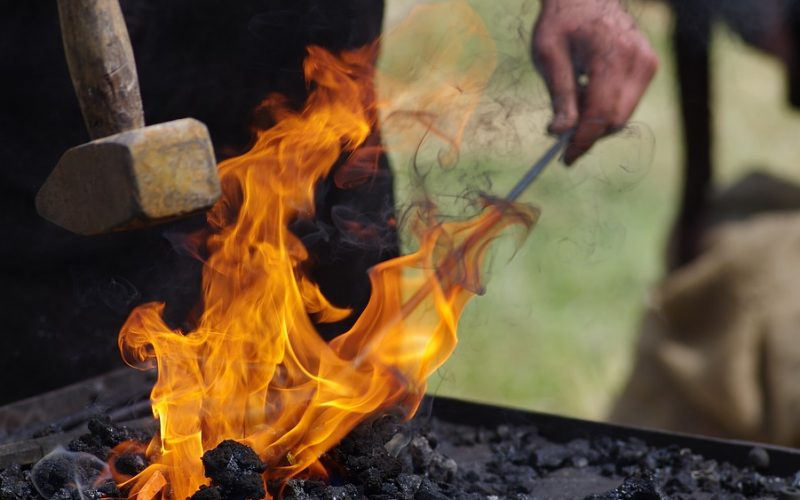
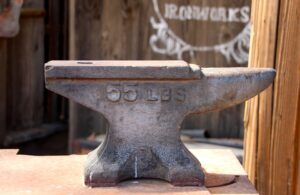
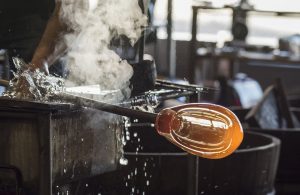
Metal sculpting draws on a range of techniques, and most sculptors develop a working knowledge of several. Welding joins pieces of metal using intense heat and is fundamental to most large-scale work. Forging involves heating metal until it becomes malleable, then shaping it with hammers and anvils — a technique with roots stretching back thousands of years. Casting, by contrast, involves pouring molten metal into a mould to create precise, repeatable forms. Fabrication takes a more constructive approach, cutting and assembling sheet metal into three-dimensional compositions. Each technique carries its own learning curve, and many sculptors find that combining methods yields the most interesting results.
Essential tools and safety
A well-equipped studio is central to good metal work. At a minimum, you will need an angle grinder, a welder, cutting tools, clamps, and a sturdy workbench capable of bearing significant weight. Safety equipment is non-negotiable: always wear a welding helmet, heat-resistant gloves, steel-toed boots, and appropriate respiratory protection when grinding or cutting. Metal shavings, UV radiation from welding arcs, and toxic fumes from certain coatings pose serious risks if proper precautions are not taken. Setting up your workspace with ventilation and fire safety measures from the outset will protect both you and your work environment.
Developing your artistic voice
Technical proficiency is only one part of sculpting in metal. Developing a personal aesthetic takes time and experimentation. Study the work of sculptors like David Smith, Anthony Caro, and Louise Bourgeois to understand how artists have used metal to convey emotion, movement, and scale. Sketch ideas before you begin, but remain open to letting the material guide you — metal often suggests forms that no drawing could anticipate. Many sculptors find that their best work emerges from a dialogue between intention and accident.
Finishing and surface treatment
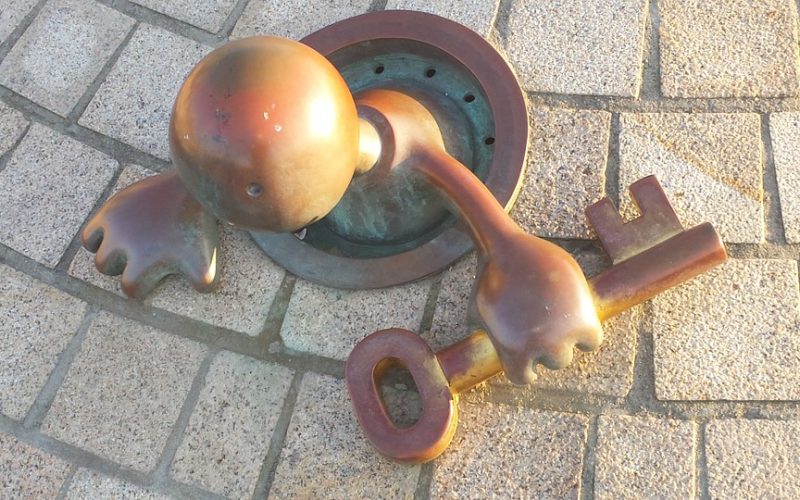
How you finish a piece can be just as important as how you build it. Raw steel will oxidise over time, developing a rust patina that some artists deliberately cultivate. Applying a clear lacquer or wax coating can preserve the metal's original appearance. Patination — using chemicals to create colour changes on the surface — is particularly popular with bronze and copper. Powder coating and paint offer further options for those seeking a bold or precise finish. The right surface treatment will protect your sculpture and deepen its visual impact.
Getting started
The most practical way to begin is through a structured course or workshop, where you will have access to professional equipment and guidance. Many art schools and maker spaces offer introductory welding and fabrication classes. Starting small — a compact wall piece or a simple abstract form — allows you to build skills without the pressure of a large, complex project. Metal sculpting is a craft that grows with you. The more time you invest in understanding your materials and tools, the more confidently and freely your work will develop.